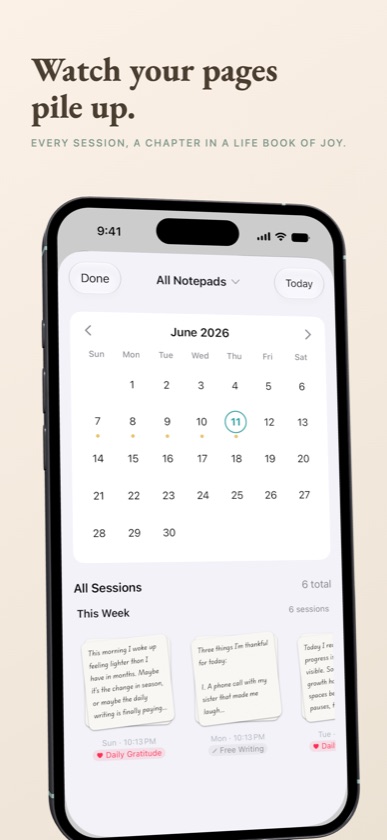
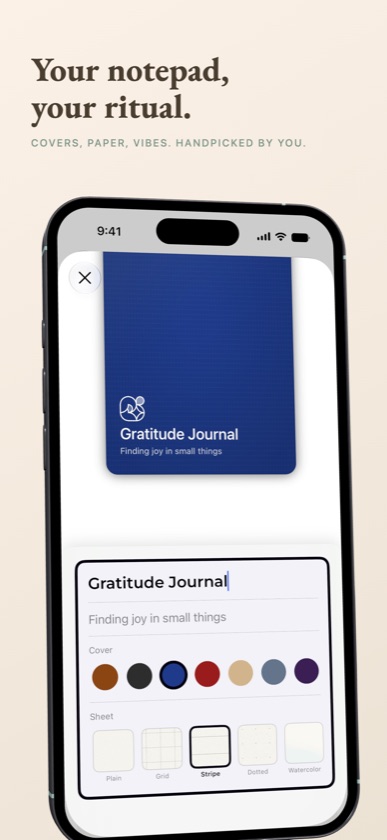
Writing has always been hard for me. Facing a blank page, my head is a tangle. But every time I actually get the words out, the knot loosens and my thoughts go clear. I knew it worked. I just couldn't keep it up. Apple Notes, paper notebooks, every journaling app I could find: none survived two weeks.
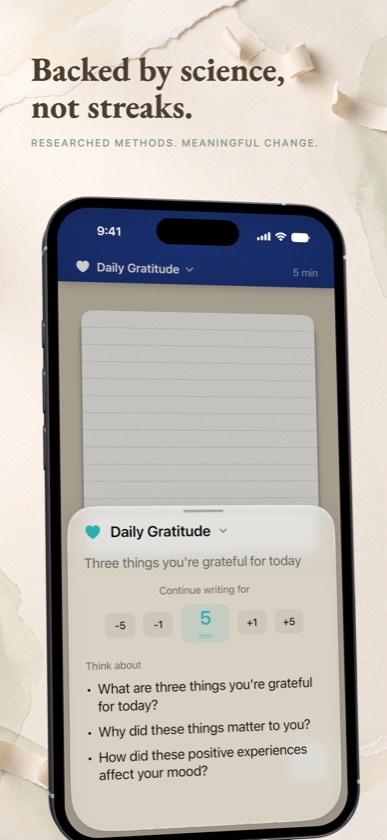
Then an Andrew Huberman episode on journaling flipped how I thought about it. A diary and a protocol called Pennebaker expressive writing are two different things, and the second has more than two hundred peer-reviewed studies behind it. Write about the same hardest experience, four times, fifteen to thirty minutes, don't stop, for your eyes only. One detail answered my engineer's doubt: typing works as well as pen and paper. The science doesn't care about the medium.
So why had no app been built around it?
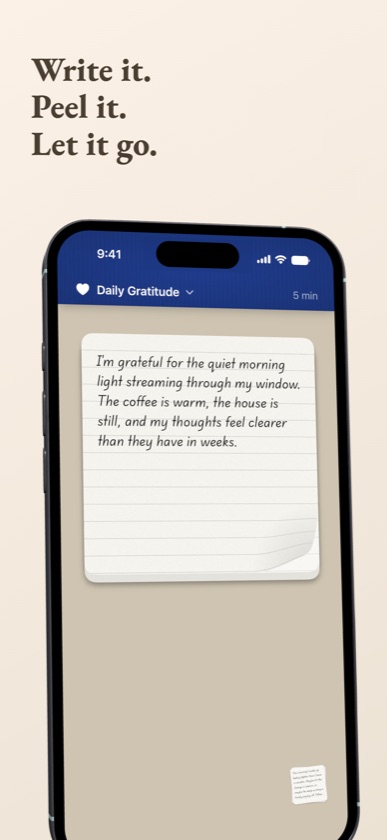
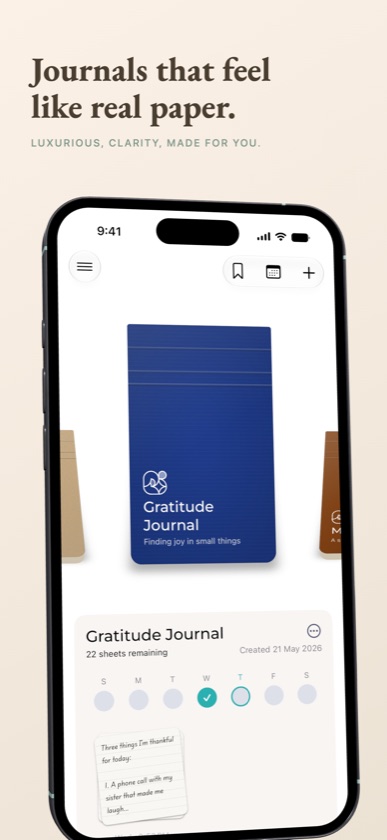
I'm an iOS developer, so I built it myself. My first commit wasn't a data model or a list screen. It was an ink sphere drawn with a Fourier curve. Then a marble shader, a rotating stack of cards, a pile of gesture toys. For weeks I didn't touch the journal feature at all, because I knew early on that this product's value isn't that it records things. It's a feeling: the warmth of paper. Get that right, and the product grows out of it.
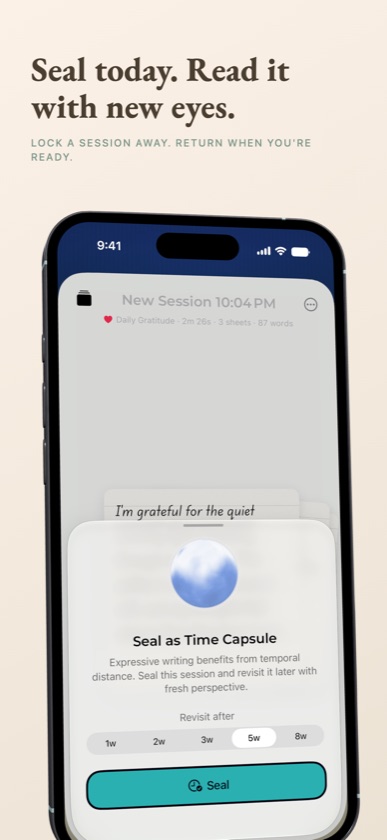
Seventeen months and 425 commits later, those experiments became Inkput.
Somewhere along the way I realized that building an app to help people slow down forced me to learn how to slow down. The nights a shader wouldn't render, the week it crashed on every launch, the font I nudged by four points over and over. It's all the same act as journaling: taking something tangled and writing it, pass after pass, into something ordered.
Inkput is small, and it's niche. It's for people who believe writing changes you. If that's you, it's waiting.
— Victor the full build story is on Threads →